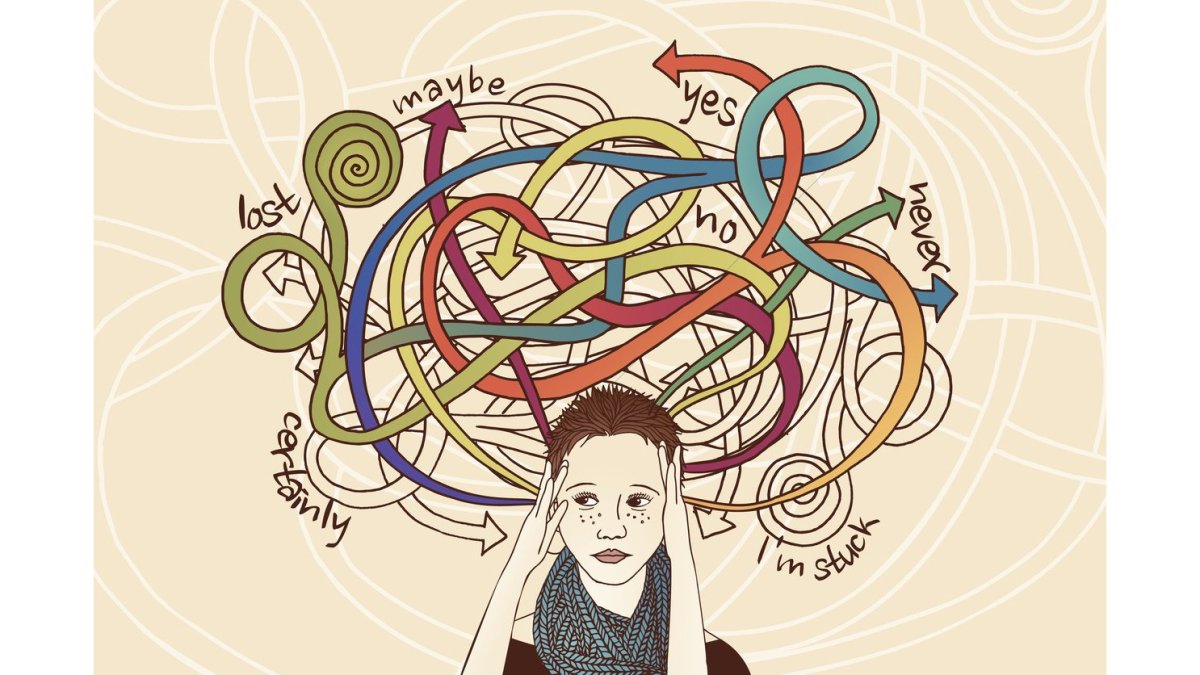
5 Truths About Whether an Unhealthy Relationship Can Become Healthy
Last Updated: November 26, 2026
Quick Summary
An unhealthy relationship can become healthy only when both partners do honest internal work: self-reflection, empathy, and personal responsibility. When both show all three, hope grows; when only one does, the odds shrink, and one person's effort cannot carry a relationship alone.
- A willing partner admits fault without being pushed, listens when you share pain, and adjusts behavior over time.
- Lasting change shows up over months in small consistent choices, not in one good week.
- A boundary is a limit on what you will accept, stated once and held calmly, not a demand your partner change.
- Expect pushback when you hold a boundary; it means the boundary is working, so hold the line without heat.
- The Helpful Plan moves through Release, Restore, and Revive, and works whether you stay or leave.
Table of Contents
- What Real Change Requires From Both Partners
- Signs Your Partner Is Willing to Change
- Can a Relationship Work If Only One Person Changes?
- How to Stop Being Blamed for Everything in a Relationship
- How to Set Boundaries in an Unhealthy Relationship
- Deciding Your Next Step With the Trying to Decide Plan
- Frequently Asked Questions
What Real Change Requires From Both Partners
Can an unhealthy relationship become healthy? Sometimes yes, but only when both people do honest internal work. At Trudy Johnson, we tell women the same thing: change starts inside one person first.

When both partners show all three, hope grows. When only one does, the odds shrink. As the CBTreatment guide on toxic relationships explains, one person's effort cannot carry a relationship alone.
Self-Reflection, Empathy, and Personal Responsibility
These three traits are the litmus test for hope. Ask two questions. Is my partner able to look at their own behavior? Can they feel what I feel?
If the answer is no on both counts, the pattern will likely repeat. At Trudy Johnson, we help women build these traits in themselves first. That work belongs to you, and it is where your power lives. Our Online Relationship Recovery Intensives help you rebuild clarity, boundaries, and hope while you sort through what comes next.
Signs Your Partner Is Willing to Change
A willing partner shows change through actions, not promises. Watch for three signals: they admit fault without being pushed, they listen when you share pain, and they adjust their behavior over time.
Empty apologies are different. "I'm sorry, but you made me angry" shifts blame back to you. Real repair sounds like, "I see how I hurt you, and here is what I will do differently."
A common mistake is reading one good week as permanent change. If you are still learning to tell a trauma bond from genuine repair, our guide on how to break a trauma bond walks through the cycle step by step.
Can a Relationship Work If Only One Person Changes?
A relationship can survive with one person changing, but it rarely becomes healthy that way. When one partner grows, the other must adjust to keep the balance.
Here is the hard truth: a one-way relationship is not a partnership. Many women describe feeling most alone inside the marriage, not outside it.
If you are weighing this question, our reflection on whether to stay or go offers clarity without pressure or shame. You do not have to decide today. You only have to keep growing.
How to Stop Being Blamed for Everything in a Relationship
Constant blame is not really about the dishes, the schedule, or the tone of your voice. It is a way of moving discomfort off the blamer and onto you.
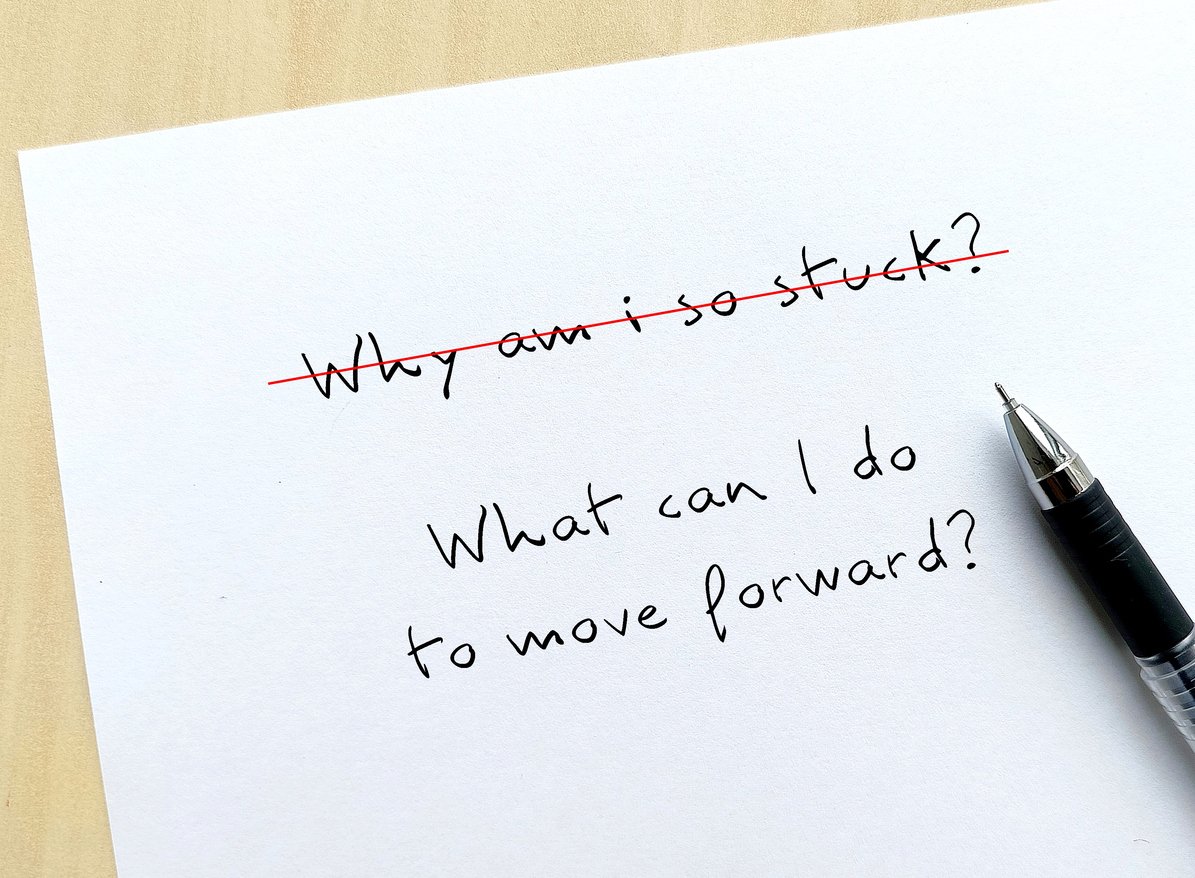
Blame-shifting follows a predictable loop. Something goes wrong. Your partner feels shame or fear and cannot sit with it, so the feeling becomes an accusation aimed at you.
That loop is why over-explaining backfires. Every justification you offer becomes new material for the argument. Your goal is not to win the exchange. Your goal is to stop feeding it.
Telling a Pattern From an Ordinary Bad Day
Everyone blames a partner unfairly now and then. The difference is what happens next. In an ordinary conflict, the person cools down, comes back, and owns their part: "I was harsh.
Ask yourself three questions. Does this happen across many topics, or just one? Does an apology ever include real change, or only words? When you name the pattern, is there curiosity, or does the blame intensify? A pattern that repeats across topics, resists apology, and punishes you for naming it is not a communication style.
Responding When the Accusation Is Untrue
When the accusation is simply false, the instinct is to correct the record. Resist it in the moment. Correction invites debate, and debate keeps you in the loop. Instead, name the pattern without arguing the facts:
- "That is not what happened. I am not going to debate it, but I am willing to talk when we are calm."
- "I notice this comes up whenever you are stressed. I am going to step away from this conversation."
- "I will not accept that description of me. I am ending this for now."
Say one line, then stop. Do not repeat it, raise your voice, or follow your partner from room to room. Repetition turns a boundary into a sparring match.
Watch out: if you find yourself rehearsing arguments in the shower or drafting rebuttals in your head, the loop has already moved inside you. That mental rehearsal is a sign the blame has become a pattern you are carrying, not a single disagreement.
What You Can Actually Change
You cannot make your partner stop blaming you. You can change what you do inside the loop. That is the honest limit, and it is also where your power sits.
This is where self-reflection cuts both ways.
If you are still sorting out whether what you are living with is ordinary conflict or something heavier, our reflection on whether to stay or go offers clarity without pressure.
How to Set Boundaries in an Unhealthy Relationship
A boundary is a limit on what you will accept, stated once and held calmly. It is not a demand that your partner change; it is a promise about your own actions. A demand puts you back in the position of managing someone else. A boundary puts you back in charge of yourself.
Try these steps:
- Name the behavior that hurts you
- Decide what you will do in response
- Say it once, in plain words
- Follow through every time
For example: "If you raise your voice, I will leave the room." Then leave. No lecture, no debate.
What a Boundary Is Not
A boundary is not a threat, an ultimatum, or a punishment. "If you do that again, you will be sorry" is not a boundary. "If you raise your voice, I will end the conversation" is. The first tries to control your partner. The second describes what you will do with your own body and time.
A boundary is also not a negotiation. The moment you explain, justify, and bargain, you have handed the limit back to your partner to approve. State it once and let your follow-through do the talking.
When a Boundary Is Tested
Expect pushback. A boundary that changes a familiar pattern will feel like a threat to the person who benefited from the old one.
Hold the line without heat. If you said you would leave the room, leave the room. If you said you would end the call, end the call.
Watch out: if you set a boundary and then abandon it the moment your partner gets upset, you have taught them that your limits are negotiable. Consistency matters more than the perfect wording.
Boundaries and Self-Reflection
Boundaries are also about what you will tolerate from yourself.
Empathy belongs here too, for both partners. You can understand why your partner reacts badly to a new limit and still hold the limit. Understanding is not surrendering.
Boundaries rebuild your emotional safety one small choice at a time. They also protect your self-esteem while you sort through bigger questions. Faith-aware support for this season is available through our recovery resources.
Deciding Your Next Step With the Trying to Decide Plan
You do not need to decide stay or leave today. You need a plan for getting strong on the inside, and that plan works either way.
The Helpful Plan for Bringing Change to Your Future moves through clear phases:
Phase | Focus | What You Do |
|---|---|---|
Release | Old wounds | Grieve hurts and release trapped emotions |
Repair | Identity | Rebuild who you are apart from the chaos |
Revive | True self | Step forward with voice and confidence |
For a faith-aware handbook that walks you through clarity and courage, see Trying to Decide, coming soon from Trudy Johnson.
The stay-leave question can keep you frozen for years. You do not have to solve it alone. Trudy Johnson offers faith-aware, trauma-informed intensives built on over 20 years of clinical experience, including a brief intensive format.
Frequently Asked Questions
Can an unhealthy relationship become healthy?
It can improve, but change depends on both people recognizing the pattern and taking responsibility for their part. If only one person is doing the work, the relationship is unlikely to become healthier. One partner's self-reflection, empathy, and personal responsibility cannot substitute for the other partner's participation. At Trudy Johnson, we see hope for change in unhealthy relationships, depending on the situation, but real change takes both parties wanting it and each taking personal responsibility.
How do you know if a partner is willing to change?
Look for self-reflection, empathy for your pain, and personal responsibility. A partner willing to change can name their own behavior without deflecting, acknowledges how it affected you, and takes concrete steps rather than making promises. If only one of these three appears, or if the pattern resets after a few days, hope for change diminishes. Watch behavior over time, not words in a single conversation.
Can a relationship work if only one person changes?
If one person changes, the other must adjust to keep the relationship's balance. That adjustment is not guaranteed. One partner's growth can shift the dynamic, but it cannot carry the whole relationship alone. This is why the focus belongs on your own internal work first: your boundaries, your voice, and your identity. Whether your partner responds or not, you can grow stronger and clearer about what you will and will not accept.
How do I stop being blamed for everything in my relationship?
Start by noticing the pattern without arguing about each accusation. Use short, memorized sentences and walk away during verbal attacks instead of over-explaining. For example: 'I'm not willing to continue this conversation while I'm being blamed.' Then follow through. Keep a private journal of upsetting events so stuffed emotions do not become toxic. At Trudy Johnson, we help clients rebuild their voice and boundaries so blame loses its grip on their sense of self.
